
The rapid advancement of artificial intelligence (AI) has prompted a growing interest in equipping the next generation with the skills necessary to thrive in an increasingly digital world. As parents and educators seek innovative ways to engage children with technology, a variety of toys designed to foster understanding and proficiency in AI are emerging on the market. This article explores several categories of toys that can help children develop foundational skills related to artificial intelligence.
Understanding AI Through Play.
Educational Robots One of the most effective ways to introduce children to AI concepts is through educational robots. These programmable devices allow kids to learn coding basics and logical thinking through interactive play. For instance, products like LEGO Mindstorms and Botley 2.0 enable children to build and program their own robots, which can perform tasks based on user-defined algorithms. This hands-on experience not only makes learning fun but also helps children grasp essential programming concepts that underpin AI systems.
Interactive Learning Platforms In addition to physical toys, interactive learning platforms offer valuable resources for teaching children about AI. Websites such as Code.org provide engaging activities that introduce coding and computational thinking in a gamified format. These platforms often incorporate elements of machine learning, allowing kids to see how algorithms can make predictions or decisions based on data inputs. By using these tools, children can develop critical problem-solving skills while gaining insight into how AI operates.
Cognitive Development Through Game-Based Learning
Strategy Board Games Board games that emphasize strategic thinking can also contribute to a child’s understanding of AI principles. Games like “Robot Turtles” teach programming logic without requiring screen time. Players must navigate their turtles through a maze using coded instructions, mirroring the step-by-step processes involved in programming AI systems. Such games foster not only cognitive skills but also collaboration and communication among players.
Augmented Reality (AR) Toys
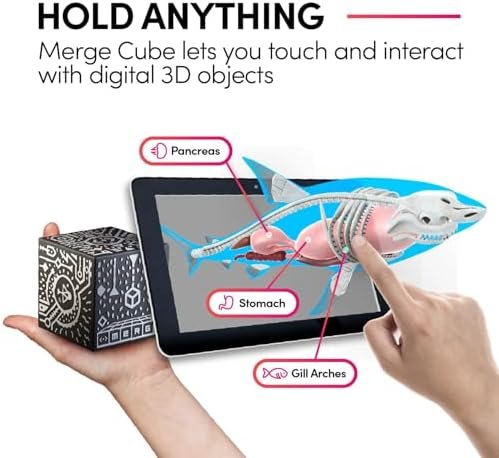
Augmented reality toys combine physical play with digital interaction, providing a unique platform for learning about AI. Products like Merge Cube allow children to hold a physical object while interacting with digital content via smartphones or tablets. This immersive experience can introduce concepts such as computer vision and environmental sensing—key components of many AI applications—while keeping learning engaging and dynamic.
The Importance of Ethical Considerations
As children explore AI through toys, it is crucial for them to understand the ethical implications of technology as well. Discussions around data privacy, algorithmic bias, and responsible use of AI should be integrated into play experiences whenever possible. Encouraging kids to think critically about how technology impacts society will help them become not only skilled users but also conscientious innovators.
Implications for Future Learning
Introducing children to artificial intelligence through toys and games lays the groundwork for more advanced education in STEM fields later on. As they engage with these tools, they develop essential skills such as logical reasoning, problem-solving, and creativity—traits that are invaluable in navigating future career landscapes where AI will play a significant role.
Conclusion
In summary, there are numerous toys available today that can help kids develop an understanding of artificial intelligence while fostering essential cognitive skills. From educational robots and interactive platforms to strategy games and augmented reality experiences, these tools provide a multifaceted approach to learning about AI in an engaging way. As we prepare our children for the future, encouraging exploration in this field is not only beneficial but necessary. For parents looking to enhance their children’s education in technology and AI, consider integrating some of these innovative toys into their playtime routines. The journey into the world of artificial intelligence begins with curiosity and exploration—let’s nurture that potential together.