🧩 Introduction: Why the Right Toy Matters More Than You Think
Imagine a single object that can teach counting, spark a lifelong love of reading, calm a meltdown, and turn a rainy afternoon into a family memory. That’s the power of a thoughtfully chosen toy. In a world overflowing with plastic and packaging, the right toys for kids do far more than entertain — they build skills, inspire imagination, and connect generations. This guide helps you cut through the noise and choose toys that actually help kids grow.
🧠 1. How We Chose These Toys (What to Look For)
When shopping for toys, think beyond what “looks fun.” The best toys combine safety, developmental benefits, and engagement. Here’s a quick checklist:
- Age appropriateness: Always match toys to your child’s developmental stage.
- Durability & safety: Non-toxic, sturdy, and compliant with CE/ASTM standards.
- Open-ended play: Encourage imagination — toys that grow with your child.
- Educational value: Develop fine motor skills, problem-solving, or creativity.
- Replay value: Toys that stay fun for months, not minutes.
- Social potential: Toys that invite siblings, friends, or parents to join in.
💡 Product Callout:
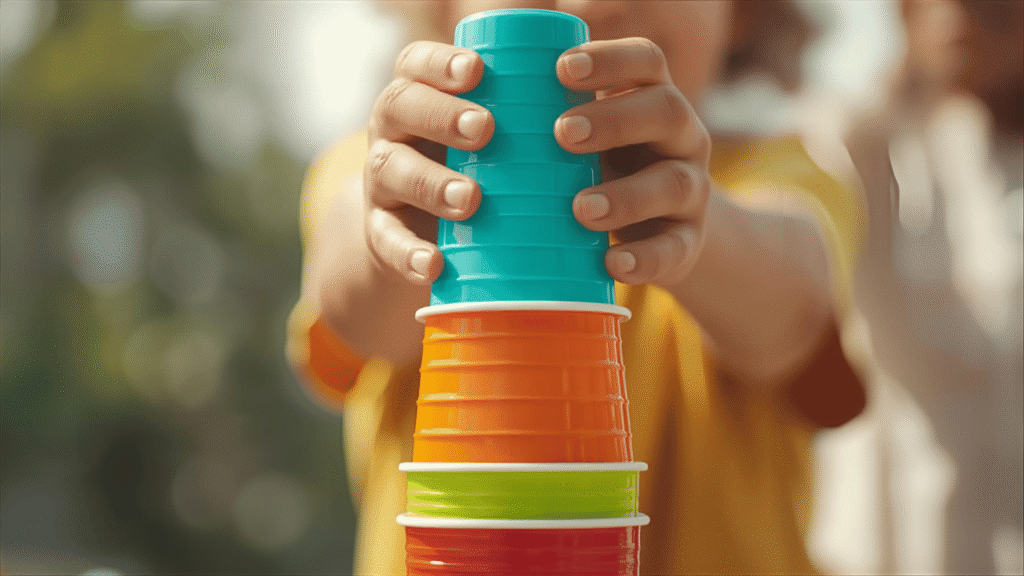
Stacking Cups (Ages 0–2) — Colorful, durable, and ideal for sensory exploration. Encourages coordination and cause-and-effect learning.
🚼 2. Top Picks by Age Group — Practical Examples
0–2 Years: Foundations (Sensory + Motor)
Best toys: Soft books, stacking cups, shape sorters, push/pull toys, and musical rattles.
Example: A cloth book with high-contrast images encouraged a 6-month-old’s focus and tactile curiosity — improving attention span.
🧸 Product Callout:
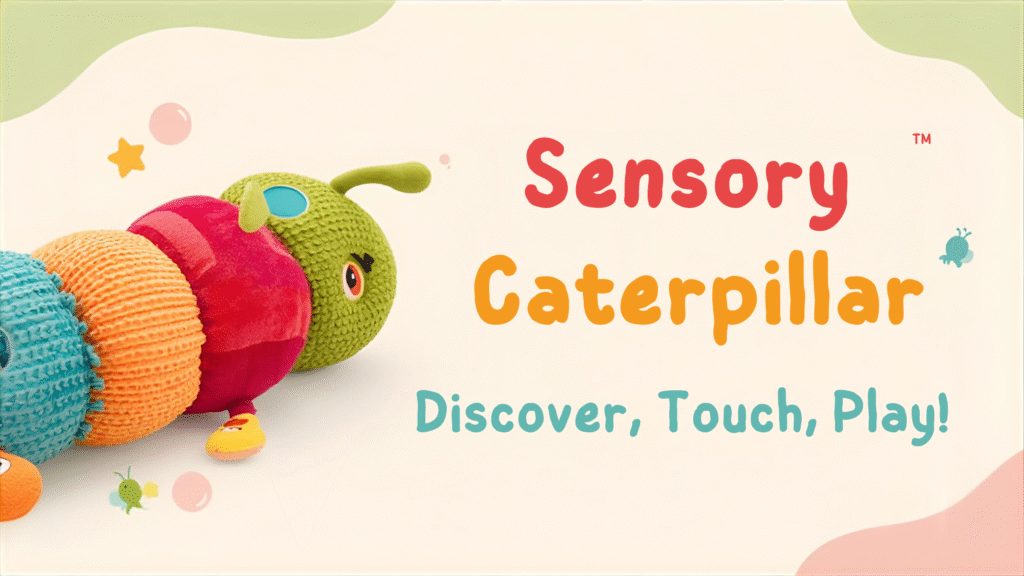
Lamaze Sensory Caterpillar — Combines textures, sounds, and colors to engage all five senses.
3–5 Years: Imagination & Fine Motor Skills
Best toys: Building blocks, play kitchens, dolls, simple puzzles, art kits.
Case study: A preschool added a block corner. Within three weeks, children advanced from solo play to collaborative story-driven building.
🪵 Product Callout:
Wooden Building Blocks Set — Non-toxic, stackable, and perfect for imagination and teamwork.
6–8 Years: Skill-Building & Social Play
Best toys: Board games, science kits, beginner coding toys, craft kits.
Example: A family replaced screen time with nightly board games. The kids learned patience, turn-taking, and communication.
🎲 Product Callout:
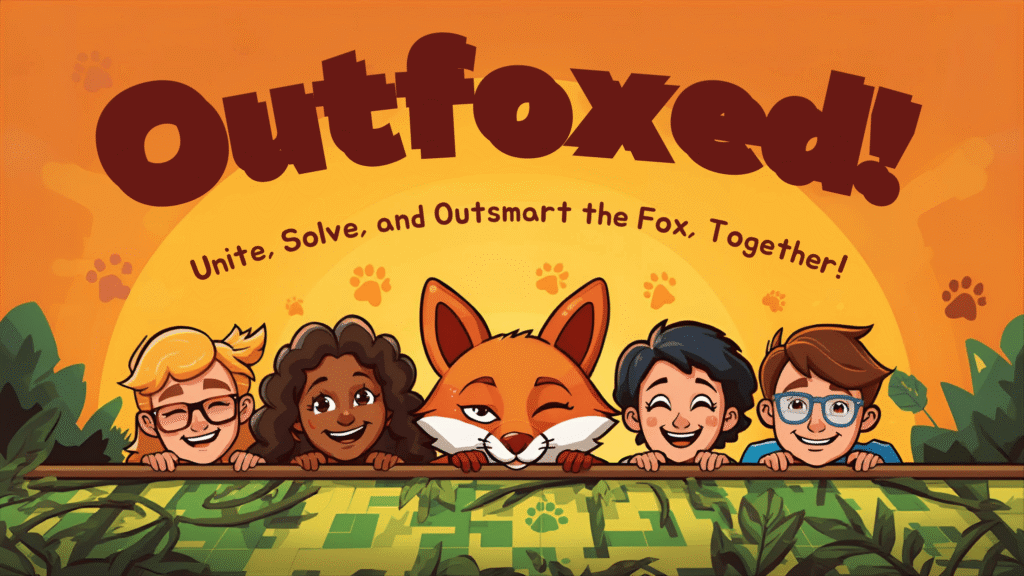
Outfoxed! Cooperative Board Game — Promotes problem-solving and teamwork for ages 5+.
9–12 Years: Complex Thinking & Creativity
Best toys: Robotics kits, art supplies, musical instruments, strategy games.
Case study: A middle-school robotics club inspired students to pursue STEM interests and collaborative problem-solving.
🤖 Product Callout:
LEGO Education SPIKE Kit — Encourages engineering, coding, and teamwork.
⚖️ 3. Open-Ended vs. Single-Use Toys
| Type | Examples | Benefits | Drawbacks |
|---|---|---|---|
| Open-ended | Blocks, art kits, train sets | Creative, multi-age use, long-lasting | May need adult guidance |
| Single-use | Licensed figures, flashing gadgets | Immediate excitement | Quick boredom |
Pro Tip: Pair a novelty toy (e.g., superhero figure) with an open-ended one (e.g., blocks) for balance.
🧑🏫 4. Real-World Case Studies
Case A — The “One Toy Shelf” Experiment
A Montessori-inspired preschool limited play options to one rotating shelf of 10 toys. Engagement deepened, focus improved, and kids displayed richer play narratives.
Case B — From Screens to Tabletop Games
A family swapped 30 minutes of tablet time for board games. Within a month, parents noticed calmer routines and more expressive language.
Case C — Gift ROI
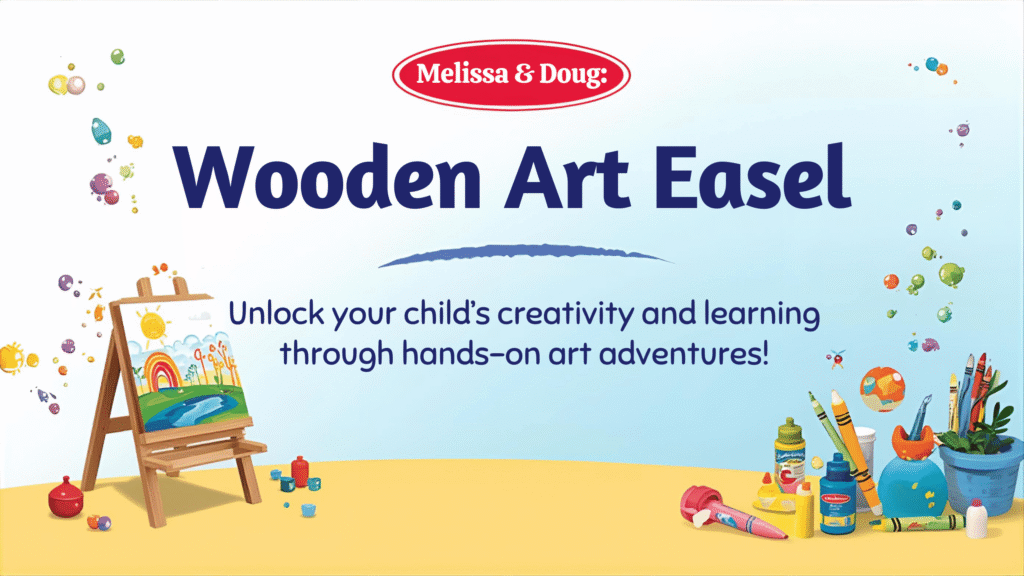
A grandparent chose an art easel over a trendy toy. The child used it daily, transforming it into a creativity hub.
🎨 Product Callout:
Melissa & Doug Wooden Art Easel — Adjustable, double-sided, and built to last.
💡 5. Smart Shopping Tips: Where to Spend vs. Save
Spend More On:
- Durable basics (wooden toys, quality art supplies)
- Infant safety-tested items
- Open-ended kits with long replay value
Save On:
- Trendy, short-lived gadgets
- Party favors and “filler” toys
- Licensed products with markup-only value
🧾 Checklist for Online Toy Shopping:
- Read real user reviews about durability.
- Confirm return policy.
- Look for authentic usage photos.
- Verify material and battery standards.
Example: A classic wooden train set lasts through multiple children and offers endless track designs.
🧮 Skill-Focused Toy Recommendations
- Language & Literacy: Storytelling cards, puppet sets.
- Math & Logic: Pattern blocks, counting games.
- Fine Motor: Play-Doh, lacing beads.
- Gross Motor: Balance bikes, jump ropes.
- Emotional Regulation: Weighted plushies, fidget tools.
🧭 Putting It All Together: Smart Toy Selection
- Define the child’s age and interests.
- Choose one open-ended core toy.
- Add a skill-focused option.
- Include one fun novelty gift.
- Present with a short play idea or challenge card.
Example Bundle:
Puppet set + storytelling cards + DIY stage = hours of imagination.
💬 FAQ
Q: My toddler loses interest fast. What can I do?
Rotate toys weekly and add mini-challenges to renew curiosity.
Q: Are educational toys worth it?
Yes — especially when they invite parent interaction and problem-solving.
Q: How do I ensure safety online?
Buy from trusted brands, read multiple reviews, and verify certifications.
🎁 Conclusion: Choose with Purpose, Play with Joy
Toys are more than playthings — they’re tools for growth, learning, and connection. Choose toys that grow with your child, encourage curiosity, and bring families together. Remember: open-ended play beats flashy packaging every time.